Blog
Office Shoes for Women With Bunions: What Heel Shapes Feel Less Stressful

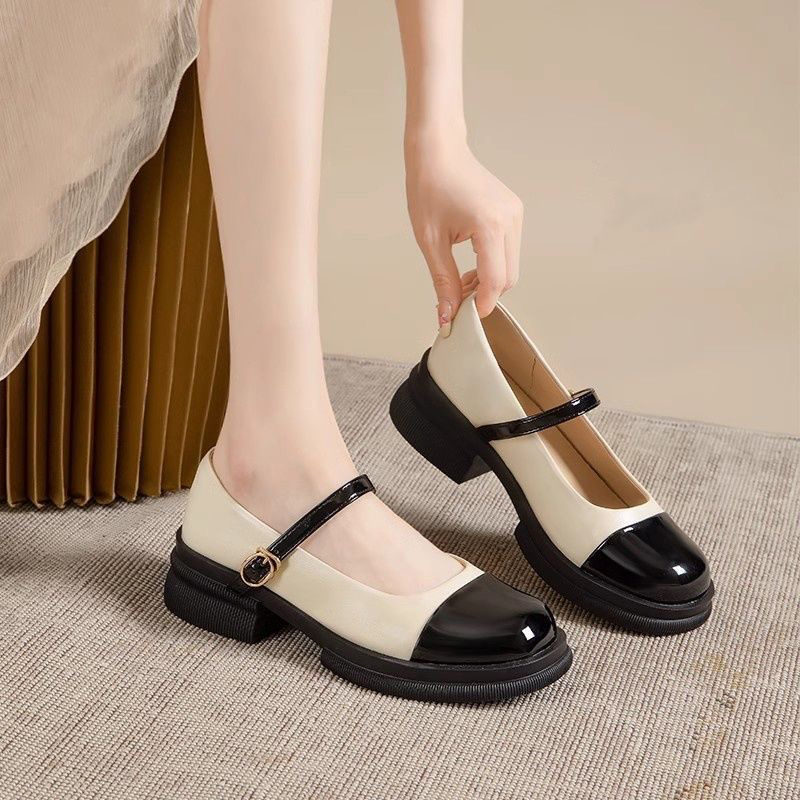
Choosing office shoes for bunion-sensitive feet is mainly a pressure-management task. You can still wear polished shoes, but heel shape, toe geometry, and upper softness matter more than trend labels or surface decoration.
The office context changes the decision slightly. You are not buying for a one-hour event. You are buying for commuting, desk time, repeated standing, and a shoe that needs to look professional without building pain across the day.
Heel shapes that usually work better
- Low block heels are usually the safest place to start.
- Supportive low Mary Jane shapes can work well when the toe box is forgiving.
- Very slim higher heels are the higher-risk option because they push weight forward and reduce stability at the same time.
What to test before calling a pair office-ready
A shoe that feels acceptable for two minutes may still be wrong for a workday. Test whether pressure builds along the bunion line after movement, not only at first try-on. If the toe shape forces overlap or the upper hits directly on the sensitive area, it is not a reliable office pair.
- No sharp pressure at the bunion line after ten to fifteen minutes.
- No forced toe crowding when you stand naturally.
- A heel landing that feels stable at normal walking pace.
How to build a better weekly rotation
It helps to separate high-movement days from meeting-heavy days. Keep one comfort-first pair for commute or standing-heavy schedules, and a dressier pair for shorter, lower-movement office use. Rotation reduces repetitive pressure and usually gives you more consistent wear than forcing one shoe into every situation.
Featured style: View the featured JAHVIO style for a concrete product reference while comparing fit, heel shape, and outfit direction.
Office Shoes for Women With Bunions: What Heel Shapes Feel Less Stressful FAQ
Can women with bunions still wear heels to work?
Yes, but lower-risk shapes usually matter more than trend. A lower, steadier heel with a forgiving toe box is usually a better office choice.
Are pointed office shoes always a bad idea with bunions?
Not always, but they are riskier. The more aggressively the front narrows, the more carefully you need to check space and pressure placement.
What office shoe style is easiest for bunion-sensitive feet?
Many shoppers do best with lower block heels, softer flats, or Mary Jane styles that offer a balanced front shape and steadier control.
Keep exploring: Comfortable office heels | Low heel Mary Jane shoes for work | Shop all flats