
Blog
Sandals Fit Guide: Open-Toe Comfort Checklist Before You Buy

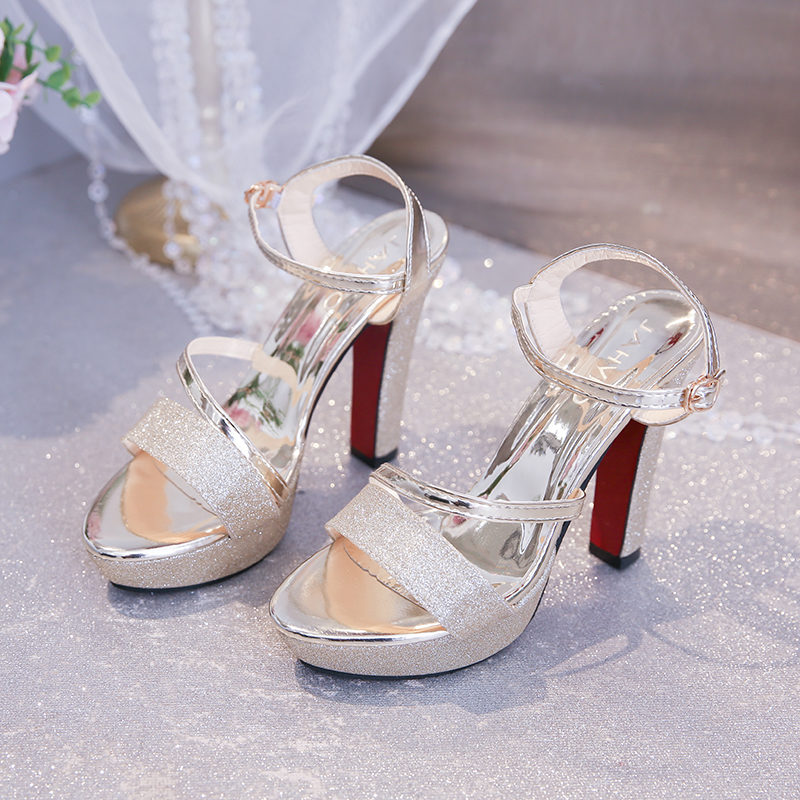
Buying sandals online is easier when you know exactly what to check. A beautiful pair is not enough if toe placement, strap pressure, or sizing is off. Use this quick checklist before checkout to improve comfort and reduce returns.
1) Measure Foot Length Correctly
Measure both feet, use the longer one, and compare it to the size chart. For open toe sandals, correct length is still critical because poor sizing causes sliding and friction.
2) Check Strap Structure
- Ankle strap should feel secure but not tight.
- Front strap should hold toes without squeezing.
- Adjustable buckle or elastic panel improves fit flexibility.
3) Review Heel Type for Your Routine
If you walk a lot, choose lower or block heel sandals. For events, higher heels can work for shorter durations. Match heel type to your real day, not just the photo.
4) Prioritize Insole and Base Comfort
Look for cushioned footbeds and stable outsole contact. A sandal that supports the arch and heel area will feel better after several hours of wear.
5) Choose Versatile Colors First
Neutral shades match more outfits and seasons. If you want one statement pair, keep it as your second or third purchase after building a neutral base.
Quick Pre-Checkout Checklist
- Size confirmed with chart
- Strap pressure points checked
- Heel height matched to occasion
- Color works with at least 3 outfits
Explore current styles in our Sandals collection and see more options in the full Shop.
Recommended Products
Use the Size Guide for fit and browse more styles in Shop.
FAQ
How should heeled sandals fit in front?
Your toes should stay inside the insole edge. If toes press forward, choose a wider forefoot shape or size up.
Are 2-inch sandals good for long events?
A stable 2-inch block heel is usually the most wearable for long hours, especially with supportive straps.
How can I reduce slipping in sandals?
Use non-slip insoles, secure straps, and correct sizing. The Size Guide helps prevent common fit mistakes.